SLU-PP-332: What the Mouse Exercise-Mimetic Research Actually Shows
SLU-PP-332 is a synthetic ERR-agonist small molecule, not a peptide. What mouse studies found, why its capsules are untested by mouth, and its legal status.

The short version
SLU-PP-332 is a lab-made small molecule that activates estrogen-related receptors; it is not a peptide. In mice it switches on genes that aerobic exercise normally triggers and improves treadmill endurance. No human study of any kind exists: no trial, no case report, no human dose. Sellers label it as not for human or veterinary use.
- SLU-PP-332 is a synthetic small molecule (an ERR agonist), not a peptide.
- Every published finding is from mice; no human trial, case report or clinical study exists.
- Vendor pages selling it describe it as research use only, not approved for human or veterinary use.
- Mouse doses were injected into the abdomen, a route not used in people, so they give no human starting point.
- Its developers say it lacks oral bioavailability, and I found no study of the capsules sold.
SLU-PP-332 at a glance
- What it is
- Synthetic small-molecule ERR (estrogen-related receptor) pan-agonist - not a peptide
- Main use
- A laboratory research chemical studied in mice as an "exercise mimetic" - it triggers some of the same muscle and metabolic gene programs endurance exercise does. Sold to consumers as a research chemical for that same effect, with no human study behind that use.
- Also called
- SLU PP 332, Exercise mimetic SLU-PP-332
- Molecular formula
- C18H14N2O2 (290.3 g/mol) Structure
- Evidence
- Animal / lab only
- US status
- Unapproved drug
- Half-life
- Not established in humans
- Dose
- No consistent protocol in circulation Dosing page
SLU-PP-332 is a synthetic small molecule, not a peptide. In mice, it switches on genes that aerobic exercise normally triggers and improves treadmill endurance, which is why it is called an “exercise mimetic”. No human study of it has been published yet.
Research-chemical vendors often sell it alongside injectable peptides. That is a marketing grouping, not a chemical one.
Dosing: why this site publishes no human protocol for SLU-PP-332.
Studied in cells or animals. No controlled trials in humans. Every animal finding I verified is from mice, and the only human material tested was muscle cells in a dish. Repeated dosing switched on an ERR-alpha-dependent exercise gene program, shifted muscle toward oxidative fibres and improved treadmill endurance. No published human trial, case report or clinical dosing study exists.
What is SLU-PP-332?
SLU-PP-332 activates all three estrogen-related receptors (ERRs): ERR-alpha, ERR-beta and ERR-gamma. It is most potent at ERR-alpha (Billon 2023 - Billon C, Sitaula S, Banerjee S et al. Synthetic ERRα/β/γ Agonist Induces an ERRα-Dependent Acute Aerobic Exercise Response and Enhances Exercise Capacity. ACS Chem Biol. 2023;18(4):756-771., in the references below). Despite the name, the ERRs are a separate receptor family from the estrogen receptor.
It was developed at Saint Louis University as a research tool. The aim was to see what happens when this receptor pathway is switched on with a drug, without any actual exercise.
SLU-PP-332 structure
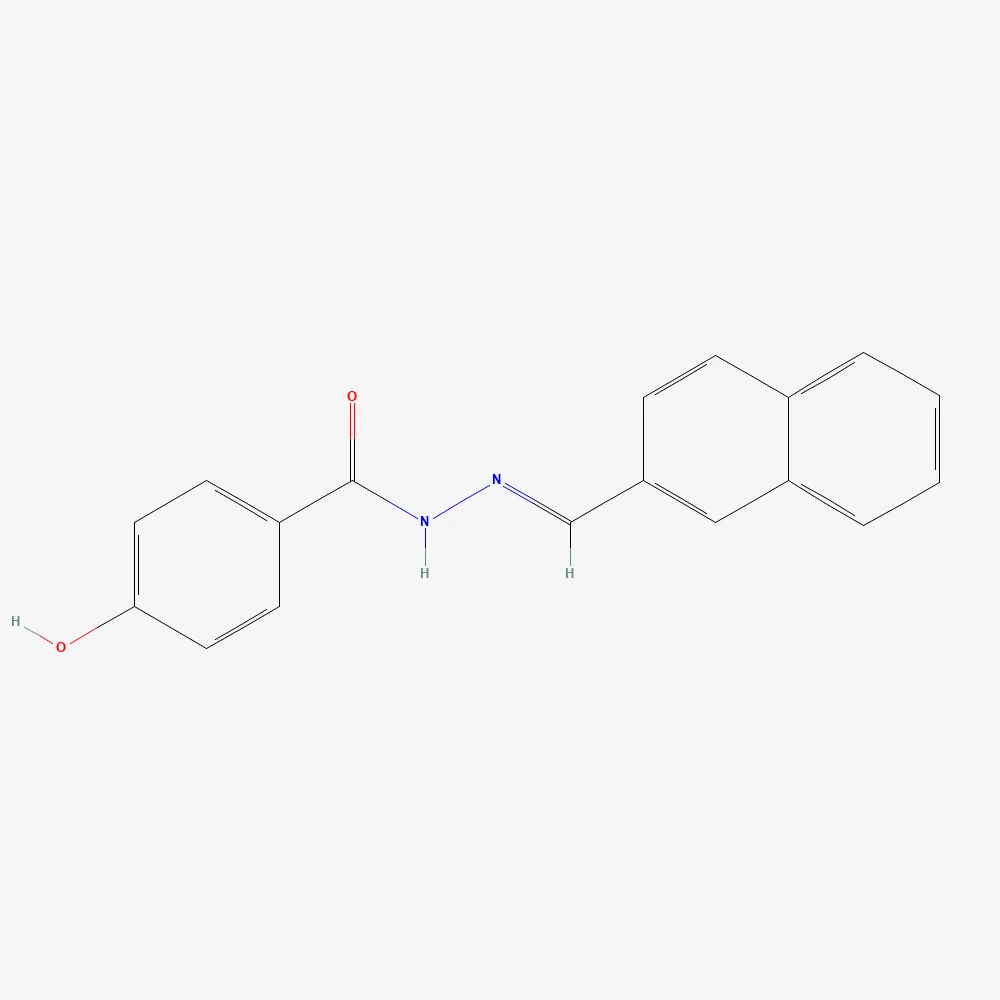
- Molecular formula
- C18H14N2O2
- Molecular weight
- 290.3 g/mol
- PubChem CID
- 5338394
A small non-peptide molecule (an acyl hydrazone).
Identity checked against ChEMBL (EMBL-EBI).
SLU-PP-332 benefits: what the mouse research shows
In a mouse study, repeated doses of SLU-PP-332 (Billon 2023 - Billon C, Sitaula S, Banerjee S et al. Synthetic ERRα/β/γ Agonist Induces an ERRα-Dependent Acute Aerobic Exercise Response and Enhances Exercise Capacity. ACS Chem Biol. 2023;18(4):756-771., in the references below):
- switched on an ERR-alpha-dependent gene program linked to aerobic exercise
- raised the share of oxidative (type IIa) muscle fibres
- improved treadmill exercise capacity.
Using mice bred without ERR-alpha, the authors showed that this receptor was needed for the endurance benefit. It is a real, peer-reviewed finding, but it is about mice given the drug by injection into the abdomen (intraperitoneal injection).
SLU-PP-332 dosage
No human dose exists, because no human study exists. Vendor pages cite a mouse dose of about 50 mg/kg by intraperitoneal injection. That route isn’t used in people, and the dose doesn’t scale into a human protocol.
The peer-reviewed mouse study used that dose, injected twice a day (Billon 2023 - Billon C, Sitaula S, Banerjee S et al. Synthetic ERRα/β/γ Agonist Induces an ERRα-Dependent Acute Aerobic Exercise Response and Enhances Exercise Capacity. ACS Chem Biol. 2023;18(4):756-771., in the references below). Full explanation: SLU-PP-332 dosage.
SLU-PP-332 capsules: does it work orally?
SLU-PP-332 is sold as capsules, but its developers say it doesn’t get into the body well when swallowed, and I found no published study that gave it orally. In a paper on a newer compound, they wrote that SLU-PP-332 “lacks oral bioavailability” (Billon 2026 - Billon C, Appourchaux K, Côté I et al. An orally active estrogen receptor-related receptor agonist, SLU-PP-915, enhances aerobic exercise capacity. J Pharmacol Exp Ther. 2026;393(1):103787., in the references below). The same paper describes the newer compound, SLU-PP-915, as orally bioavailable.
What the checked vendors sell, as of 3 October 2026:
- BioEdge Research Labs: 60 capsules of 500 mcg for $144, marked down from $180. The page says they are for in vitro laboratory research only, not for human or veterinary use.
- Next Level Pharm: a 5 mg vial of powder named “SLU-PP-322”, $49.99, marked down from $59.99. Its description, an agonist of the ERRα/β/γ receptor family, matches SLU-PP-332, but the name differs by one digit.
- Spartan Peptides doesn’t sell it.
Every mouse study I read in full injected it into the abdomen. The exercise study and an obesity study gave 50 mg/kg twice a day (Billon 2023 - Billon C, Sitaula S, Banerjee S et al. Synthetic ERRα/β/γ Agonist Induces an ERRα-Dependent Acute Aerobic Exercise Response and Enhances Exercise Capacity. ACS Chem Biol. 2023;18(4):756-771., in the references below, Billon 2024 - Billon C, Schoepke E, Avdagic A et al. A Synthetic ERR Agonist Alleviates Metabolic Syndrome. J Pharmacol Exp Ther. 2024;388(2):232-240., in the references below). A heart-failure study gave 25 mg/kg twice a day (Xu 2024 - Xu W, Billon C, Li H et al. Novel Pan-ERR Agonists Ameliorate Heart Failure Through Enhancing Cardiac Fatty Acid Metabolism and Mitochondrial Function. Circulation. 2024;149(3):227-250., in the references below). The only work with human material treated muscle cells grown in a dish from biopsies of inactive women (Bonanni 2025 - Bonanni R, Falvino A, Matticari A et al. Targeting ERRs to counteract age-related muscle atrophy associated with physical inactivity: a pilot study. Front Physiol. 2025;16:1616693., in the references below). No person took it.
So I found no data on whether a 500 mcg capsule, or any oral amount, gets SLU-PP-332 into a person’s blood or muscle. Other compounds sold as capsules are compared in oral peptides.
SLU-PP-332 side effects
There are no human side-effect data. The mouse studies measured exercise outcomes, not safety, and used a route no consumer product uses. Any claim about side effects in people, good or bad, has no source I can verify.
Is SLU-PP-332 legal?
US legal status - Unapproved drug
Not FDA-approved for any use and not a dietary supplement. Not on FDA's 503A bulk drug substances list for human compounding. Sold by research-chemical vendors who themselves label it for laboratory and analytical research only, not for human or veterinary use.
Regulatory changes for this and other compounds, as they happen: US peptide regulation tracker.
Related reading
How SLU-PP-332 compares
Mitochondrial and metabolic. Doses for unapproved compounds are common practice, not trial-established. All longevity and mitochondria peptides →
| Compound | Main use | Evidence | Usual dose | US status |
|---|---|---|---|---|
| MOTS-c | Sold for metabolic health, fat loss and longevity. Studied in humans as a biomarker of exercise response. | Animal / lab only | 2.5-10 mg, 2 to 3 times a week is most common, with some protocols ramping toward daily dosing at higher amounts | Research use only |
| SS-31 | FDA-approved (accelerated approval, 2025) as Forzinity to improve muscle strength in Barth syndrome, a rare genetic mitochondrial disease. Sold online as a longevity and cellular-energy peptide. | Moderate human evidence | FDA label | FDA-approved · prescription only |
| Humanin | Sold online for anti-aging and neuroprotection claims. Studied almost entirely in cell cultures and rodents; no completed human efficacy trial was located for this page. | Animal / lab only | 0.5-5 mg, commonly once daily; some protocols use 2 to 3 times a week instead | Research use only |
| NAD+ (injection) | Sold by IV-therapy clinics and compounding pharmacies, by subcutaneous injection or IV infusion, for marketed energy, anti-aging, cognition and addiction-recovery claims. | Limited human data | 50-500 mg, 1-3 times a week by subcutaneous injection; many protocols start low, once weekly, and increase only if tolerated | Unapproved drug |
| SLU-PP-332 | A laboratory research chemical studied in mice as an "exercise mimetic" - it triggers some of the same muscle and metabolic gene programs endurance exercise does. Sold to consumers as a research chemical for that same effect, with no human study behind that use. | Animal / lab only | No consistent protocol | Unapproved drug |
| AICAR | Studied as an AMPK-activating "exercise mimetic" that boosted running endurance in sedentary mice; separately studied in humans, under the name acadesine, as an intravenous cardioprotective drug during heart bypass surgery - a use large trials found did not work. Now sold to consumers as an unapproved research-chemical endurance and metabolic product. | Limited human data | No consistent protocol | Unapproved drug |
| L-Carnitine (injection) | FDA-approved, as CARNITOR, for treating carnitine deficiency (a defined metabolic/biochemical condition): the injection also for the prevention and treatment of carnitine deficiency in dialysis patients, and the tablets and oral solution (including sugar-free CARNITOR SF) for primary and inherited-metabolic-disorder carnitine deficiency. This page covers the injection. Sold off-label, and through compounding and aesthetic-medicine clinics, as a "fat-burning" or metabolism-support injection for people without diagnosed deficiency. | Strong human evidence | FDA label | FDA-approved · prescription only |
Where to buy SLU-PP-332 for research
Each vendor is checked against my vendor checklist.
1.BioEdge Research Labs
500 mcg capsules, 60 count
- No FDA warning letter found
- Names its testing lab
- Batch COAs published
Common questions
Is SLU-PP-332 a peptide?
No. It is a synthetic small molecule that activates the estrogen-related receptors (ERR-alpha, ERR-beta, ERR-gamma). It has no chain of amino acids and is unrelated in structure to the injectable peptides sold beside it on research-chemical sites.
What is the usual SLU-PP-332 dose?
There is none for humans, because no human study exists. The only dosing comes from mouse studies, commonly about 50 mg/kg injected into the abdomen (intraperitoneal). That route and dose don't translate into a human protocol. The dosing page explains why this site doesn't publish one.
Can SLU-PP-332 be taken orally?
Not on the evidence so far. Its developers wrote that SLU-PP-332 lacks oral bioavailability, and described a newer compound, SLU-PP-915, as the orally bioavailable one. I found no published study that gave SLU-PP-332 by mouth, and every mouse study I read in full injected it into the abdomen. Capsules are sold anyway, labelled not for human use.
What are the side effects of SLU-PP-332?
No human safety data exist at any dose. The mouse studies measured exercise effects, not side effects, and used a route (intraperitoneal injection) not used in people.
Does SLU-PP-332 work like exercise in humans?
That is not known. In mice it switches on an aerobic-exercise gene program and improves treadmill endurance. No published study has tested whether the same happens in a person.
References (7 sources)
Bibliographic detail is fetched from PubMed, not written by me - so a citation here cannot drift from the paper it names. Study design comes from PubMed's own tags rather than my judgement.
- 1.Billon C, Sitaula S, Banerjee S et al. Synthetic ERRα/β/γ Agonist Induces an ERRα-Dependent Acute Aerobic Exercise Response and Enhances Exercise Capacity. ACS Chem Biol. 2023;18(4):756-771.StudyPMID 36988910full text
- 2.Billon C, Appourchaux K, Côté I et al. An orally active estrogen receptor-related receptor agonist, SLU-PP-915, enhances aerobic exercise capacity. J Pharmacol Exp Ther. 2026;393(1):103787.StudyPMID 41421047
- 3.Billon C, Schoepke E, Avdagic A et al. A Synthetic ERR Agonist Alleviates Metabolic Syndrome. J Pharmacol Exp Ther. 2024;388(2):232-240.StudyPMID 37739806full text
- 4.Xu W, Billon C, Li H et al. Novel Pan-ERR Agonists Ameliorate Heart Failure Through Enhancing Cardiac Fatty Acid Metabolism and Mitochondrial Function. Circulation. 2024;149(3):227-250.StudyPMID 37961903full text
- 5.Bonanni R, Falvino A, Matticari A et al. Targeting ERRs to counteract age-related muscle atrophy associated with physical inactivity: a pilot study. Front Physiol. 2025;16:1616693.StudyPMID 40692696full text
- 6.BioEdge Research Labs - SLU-PP-332 (500 mcg) product page: 60 cellulose capsules of 500 mcg, $144 (regular $180), formula C18H14N2O2, CAS 303760-60-3, for in vitro laboratory research only, not for human or veterinary use, as of 3 October 2026.- BioEdge Research Labsother
- 7.Next Level Pharm - SLU-PP-322 product page: 5 mg lyophilised vial, $49.99 (regular $59.99), described as a synthetic small-molecule agonist of the ERRα/β/γ receptor family, supplied for laboratory and research use only, as of 3 October 2026.- Next Level Pharmother